
Offering renewed ultrasonic systems for biofilm elimination to protect water from growth of micro-organisms. Our devices enable organisations and individuals to sustainably utilize their transport and storage of water.




Biofilms are microbiological layers in which algae, bacteria, limescale, corrosion, and other pathogens can grow. They thrive on moist or wet surfaces, making them the perfect breeding ground for more bacteria and micro-organisms to develop. This leads to critical damages and creates an unhealthy environment for humans and animals.
Ultrasonic Group offers unique systems that combat biofilm in a chemical-free and non-toxic way, making it the most efficient, cost-saving and ecological way of protecting all water systems.


By eliminating biofilm with ultrasonic technology, the growth of algae, bacteria, and limescale is prevented. This creates a safer environment for the system and its users.

Our devices are non-toxic, chemical-free and require a low power supply. By using ultrasonic technology you reduce fuel emissions and carbon footprint, while sustaining a healthy environment for both humans and animals.

Not only does ultrasonic technology guarantee a longer lifespan of all systems, our products also reduce energy and maintenance costs and ensures a reduction in the use of chemicals.

One device can protect water over distances of up to 350 metres and can break down biofilm right down to the finest cracks and holes in a wall.



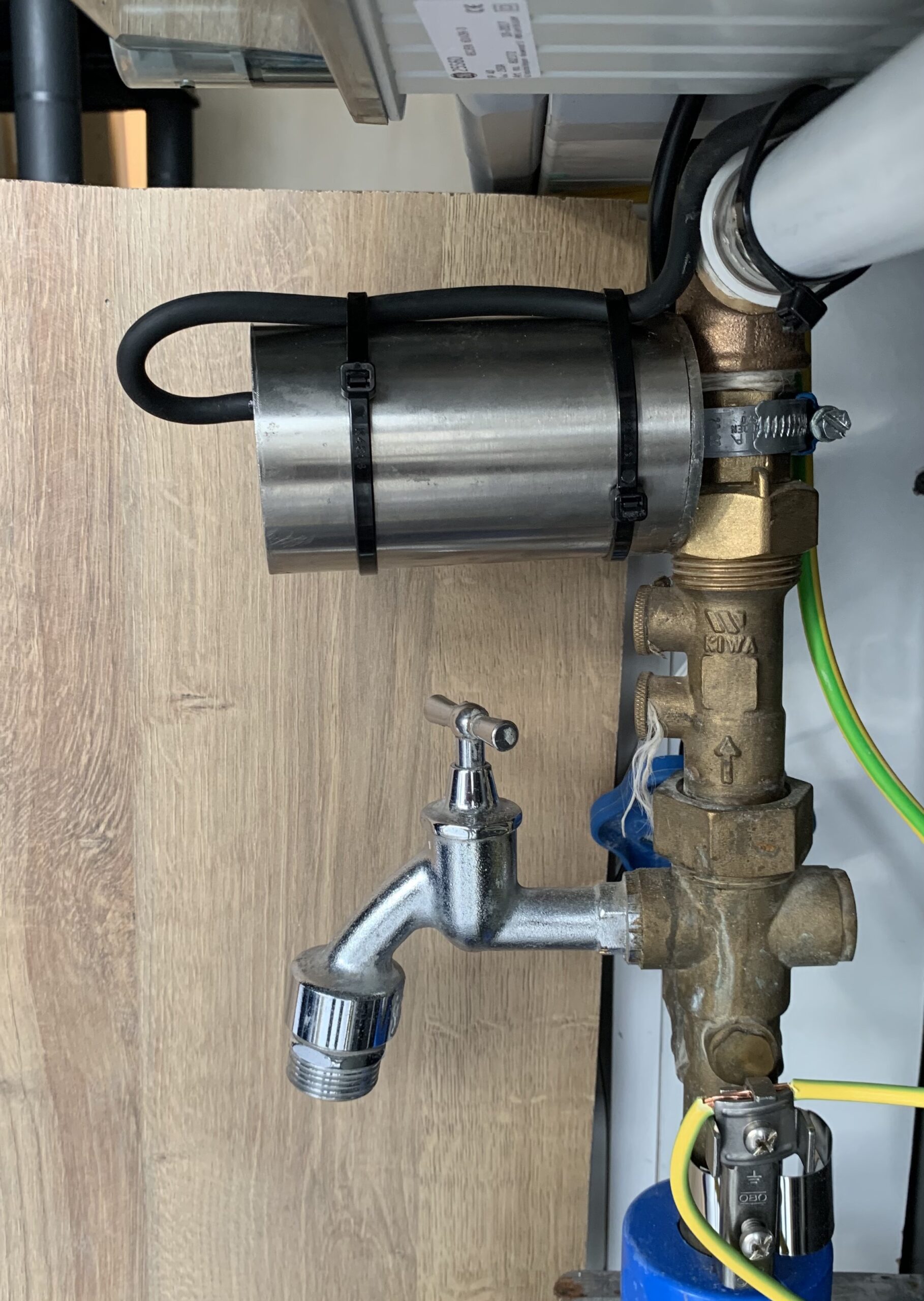

We initiate increasing efficiency and bring sustainability to the core of everything that matters most to your business. Ultrasonic Group advices each client with the highest care and consults where ultrasonic can protect the installation from biofilm and its consequences.

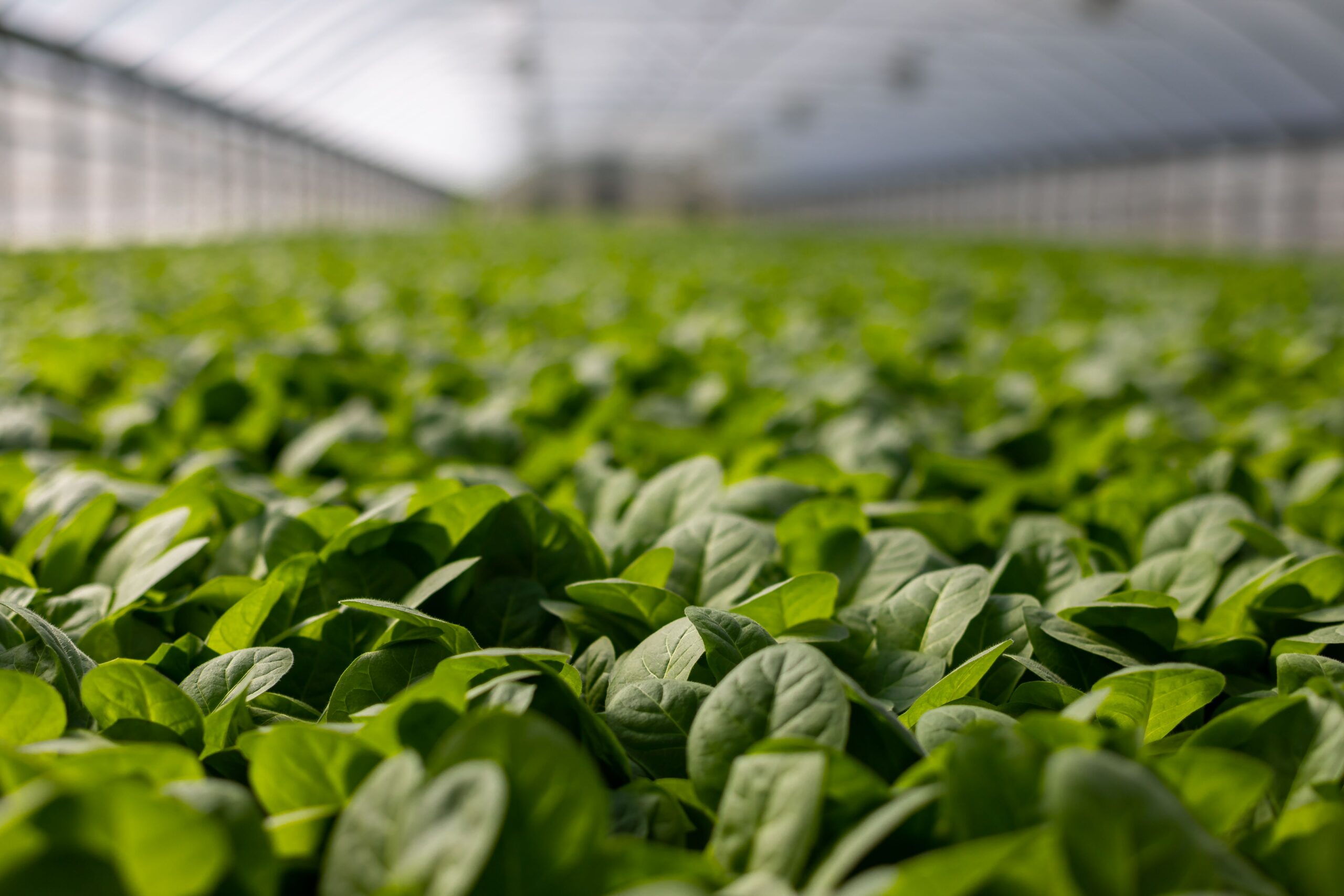
 Irrigation systemsGreenhouse plantationsWater supply pumpsDairy reservoirs & pipelinesMixersPipelinesEmergency showersRecuperation tankRainwater wells & filters
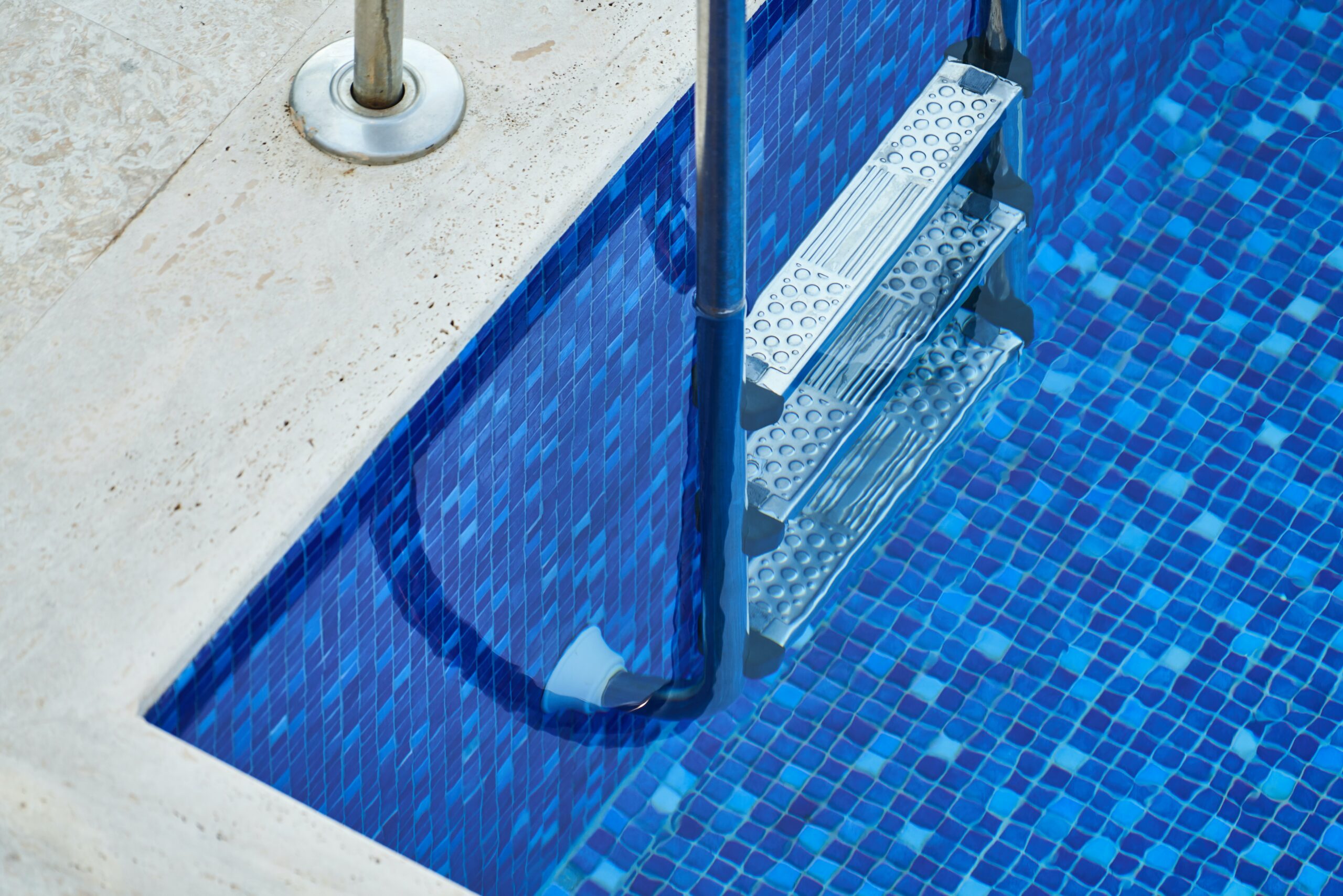
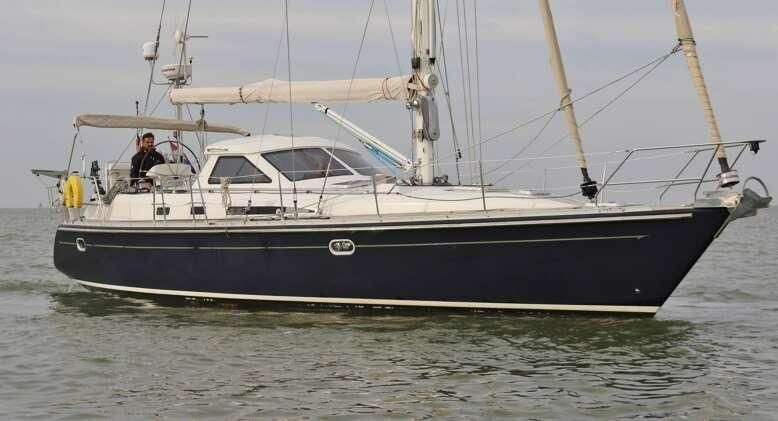
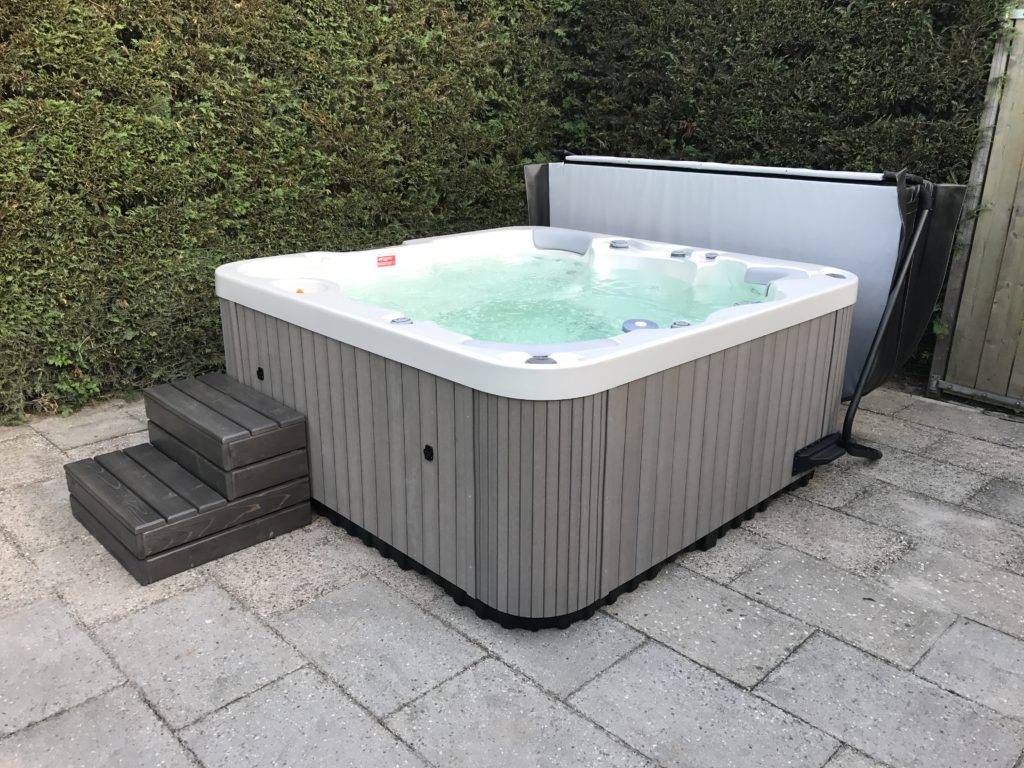
Ultrasonic breaks down biofilm that attaches itself to the insides of pipes, boilers, swimming pools, hot tubs, yachts and fishponds. This results in many advantages: bacteria and toxin free water, longer-lasting applications, reduced costs and less fuel emissions.

In the horticultural sector, one often has to deal with certain fungi. one
common one is the Fusarium fungus, consisting of various soil fungi and
causes a lot of damage. You can recognize it by the yellowing and wilting of
the leaves.

Microbial-induced corrosion, also called bacterial corrosion, is a common bacteria on steels. The name says it all; it is corrosion that is caused by the influence of certain bacteria or microorganisms. It is a phenomenon that mainly affects the shipping industry.

Having a pool or a jacuzzi can be a lot of fun, but less fun is the chlorine that always needs to be added as maintenance. The thing is, chlorine can be very harmful to your eyes, lungs, hair, nails, and also your skin. Moreover, chlorine can range from irritating to very harmful to the skin depending on your age or existing skin condition.


